Skip to product information
1 of 6

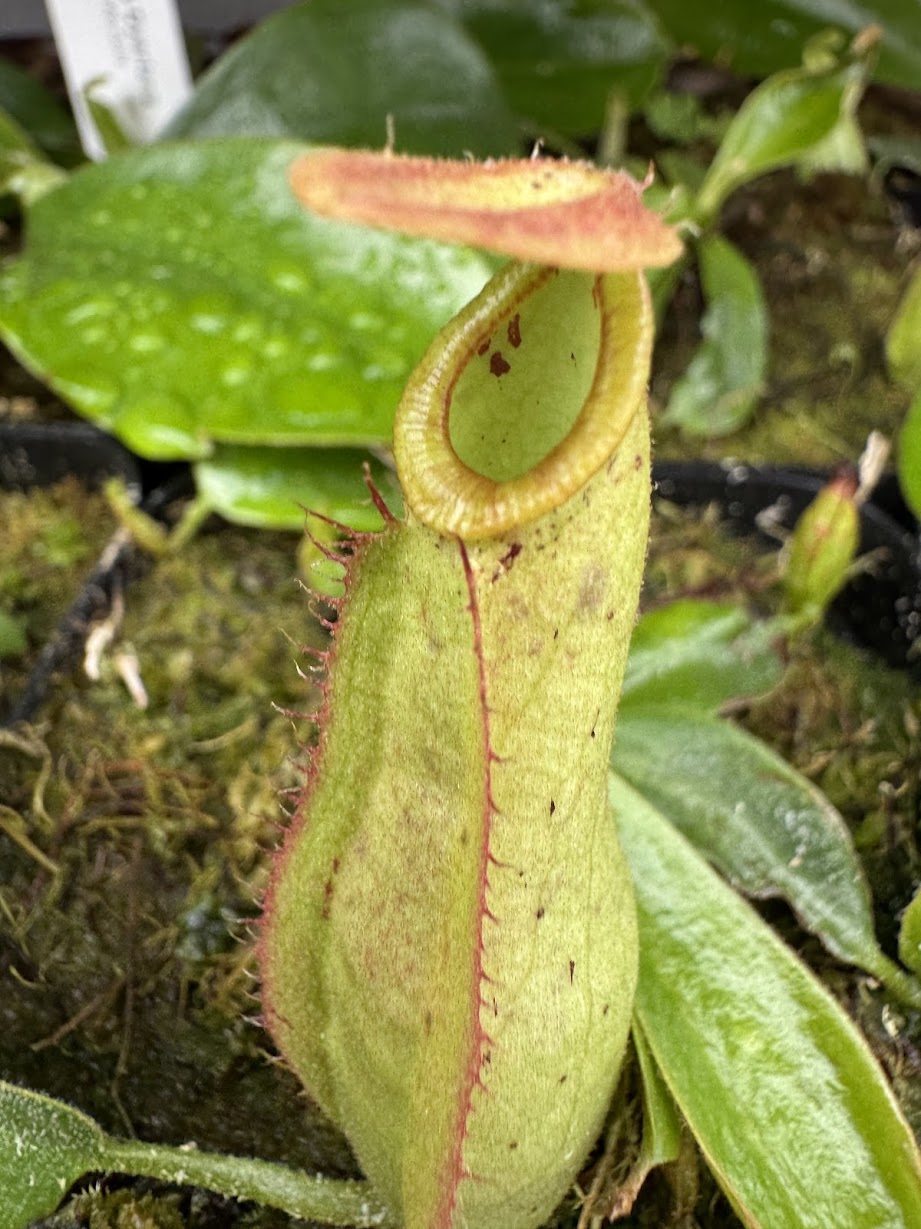
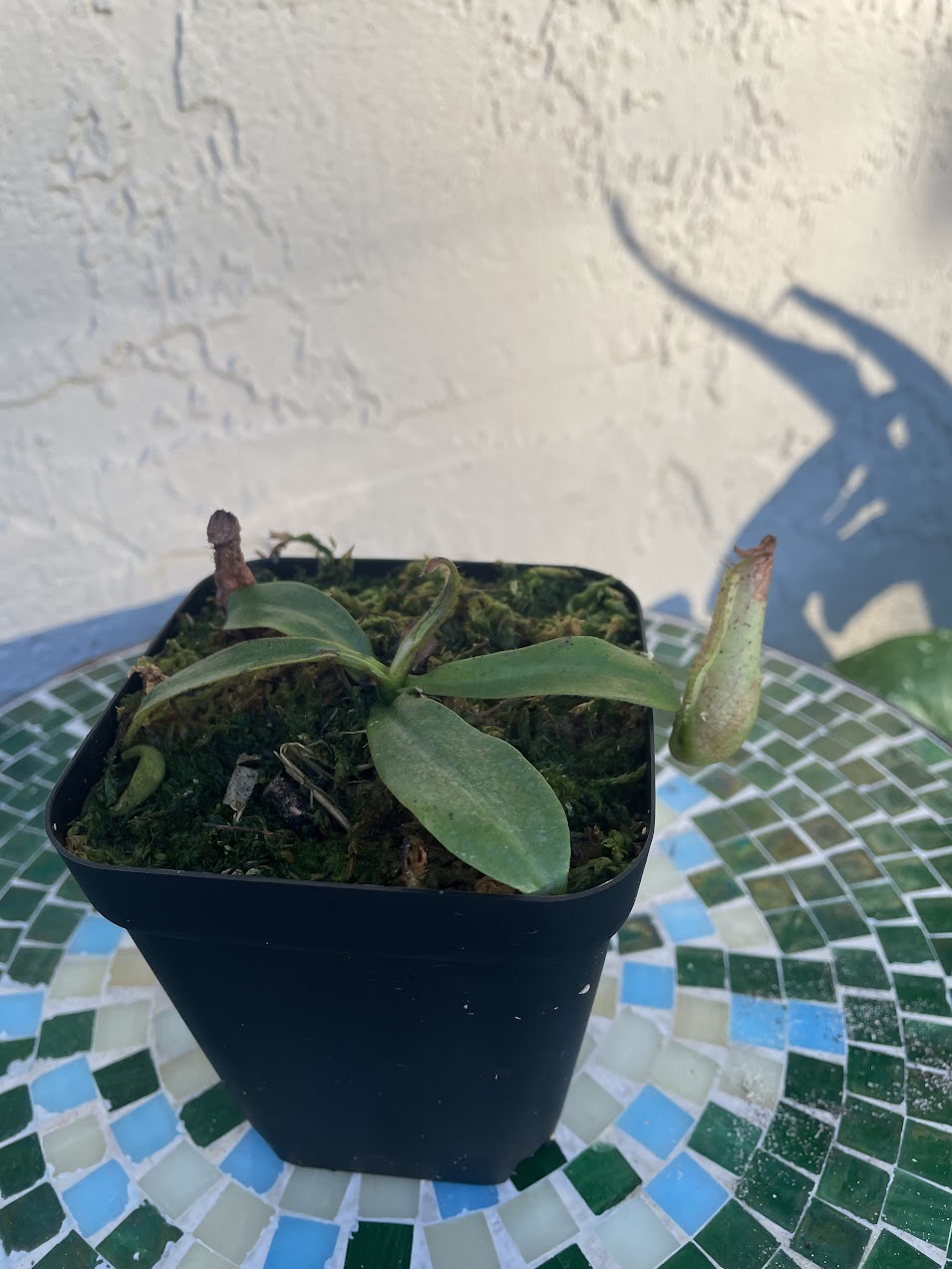
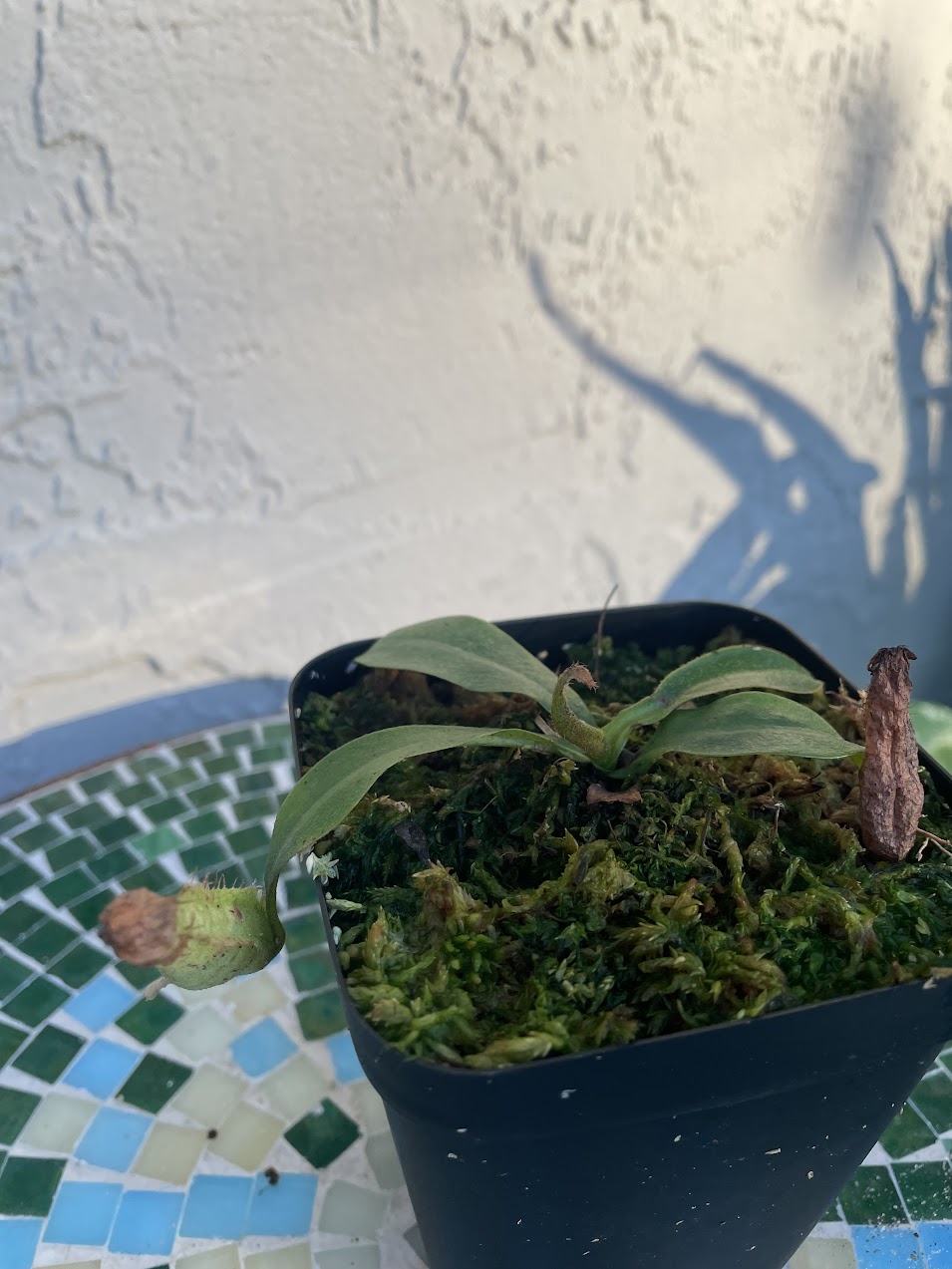
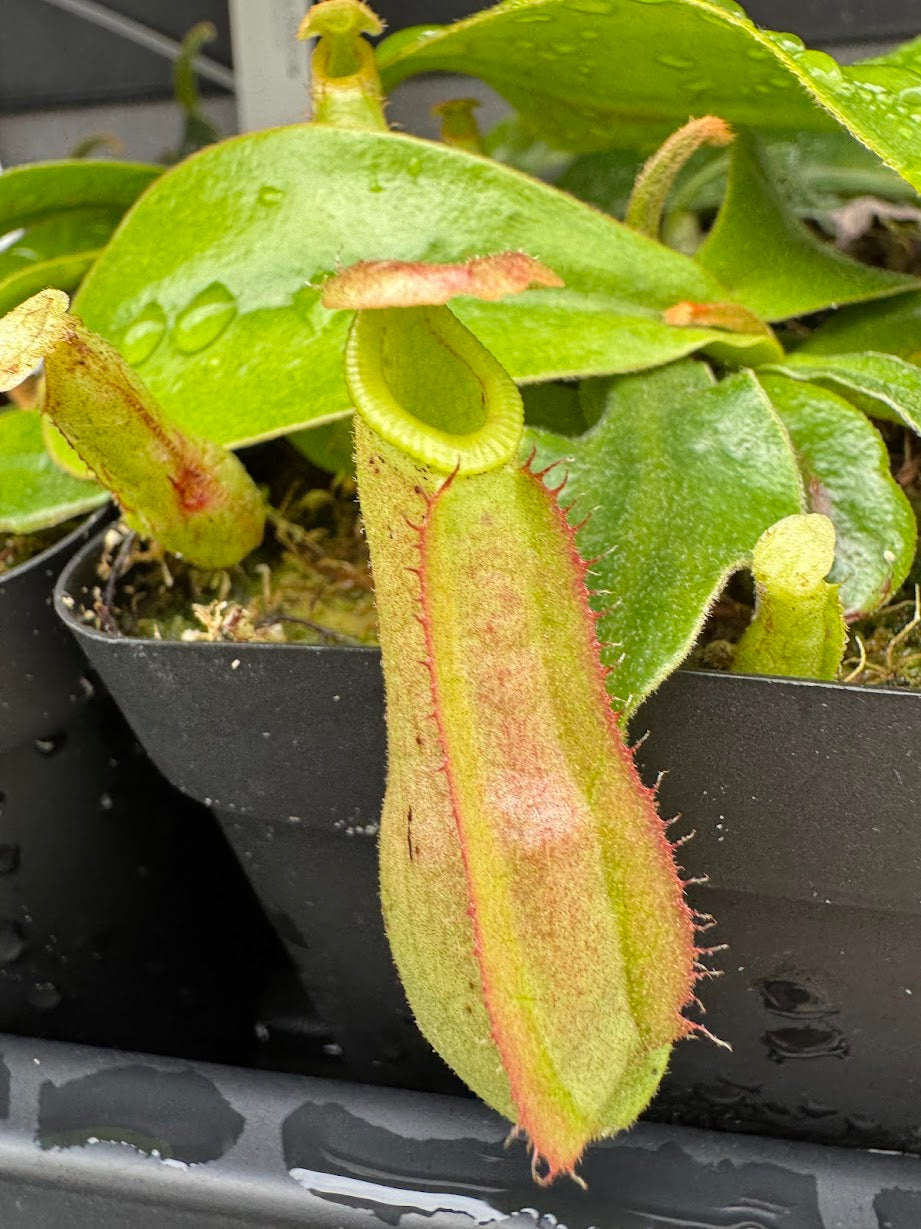
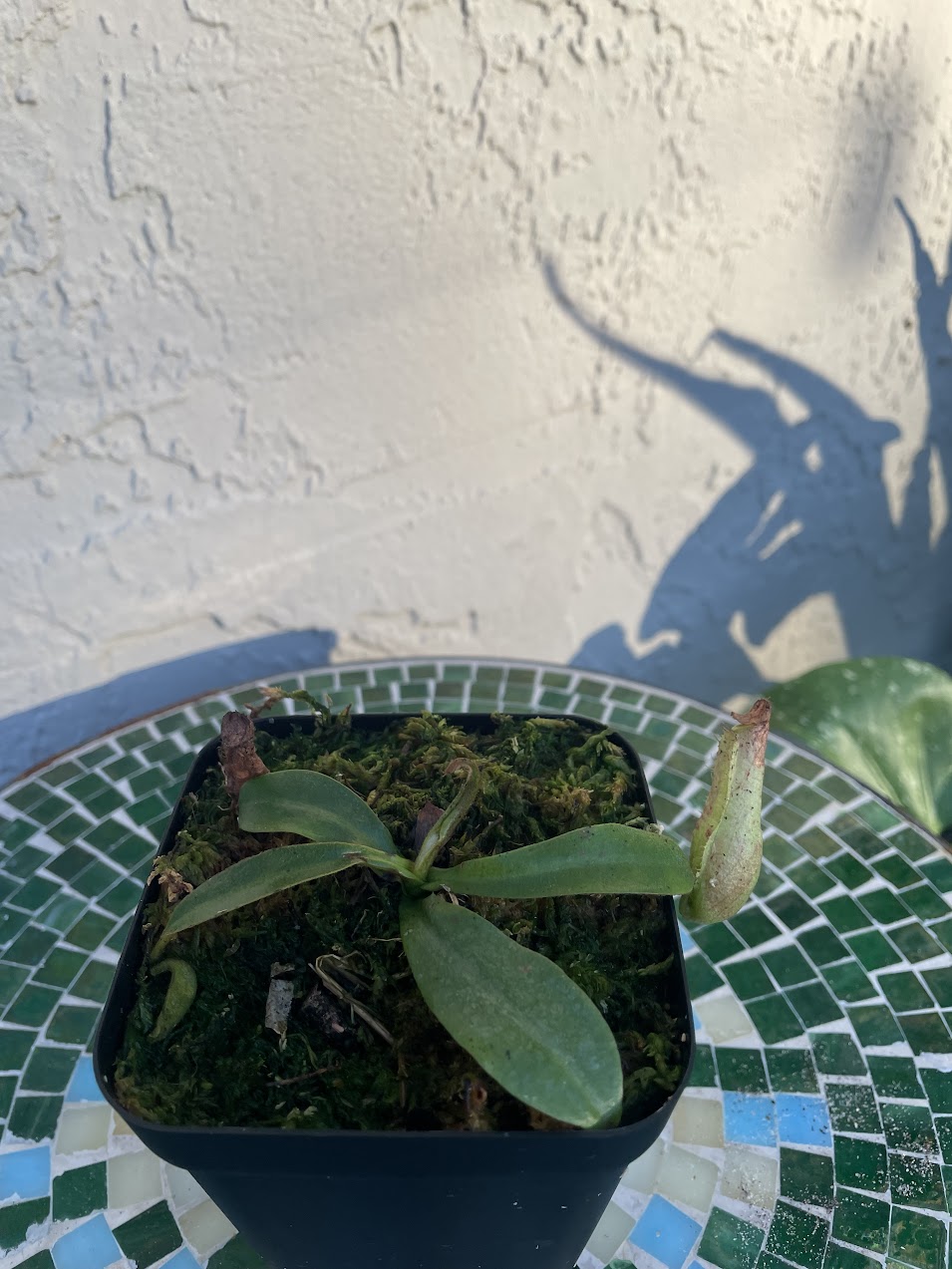
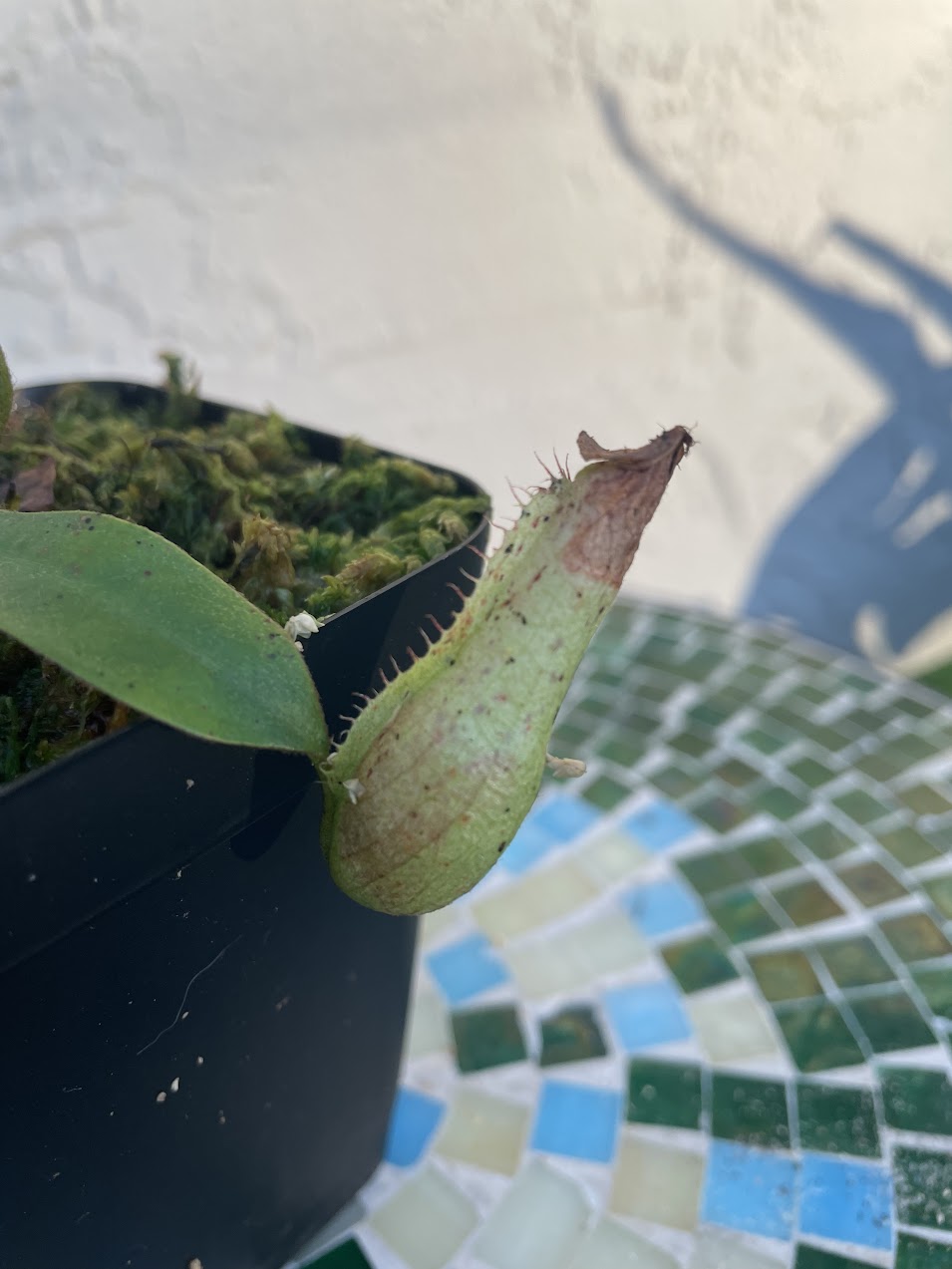
Nepenthes Dyeriana in a 3.5" pot

Nepenthes Dyeriana in a 3.5" pot

Regular price $20.00 USD
Regular price Sale price $20.00 USD
Sale Sold out
Shipping calculated at checkout.
Quantity

Nepenthes dyeriana is a truly iconic carnivorous plant with a rich history dating back to the Victorian era. Discovered in the Philippines, it quickly captivated plant enthusiasts with its large, dramatic pitchers. These pitchers can grow to impressive sizes, often exceeding a foot in length, and are adorned with intricate patterns and vibrant colors.

The specific epithet "dyeriana" honors William Turner Thiselton-Dyer, a renowned British botanist who played a significant role in the cultivation and study of carnivorous plants during the Victorian era.

This pre-potted plant arrives in a 3.5" pot, nestled in sphagnum moss. While it can be a bit more challenging to care for than some other Nepenthes species, it rewards patient growers with its extraordinary beauty and historical significance.

View full details

Care Instructions

Light

Part sun or shaded sun (pool screens are great). Avoid afternoon sunlight to prevent sunburn. Can also sit on a sunny windowsill inside.

Water

  • Water as planting material starts to dry out on top. Nepenthes should be kept moist, but not wet.
  • Only use distilled, rain, or reverse osmosis water. Do not use purified water. Any water with > 50 PPM TDS will kill your plant over time. Filtered water is often not filtered enough for these plants.

Temperature

Our plants are generally lowland or intermediate. We recommend a 5-10F drop in temperatures minimum nightly. Plants should not be left outside in temperatures under 55F. Humidity should be 50%+.

Fertilizer

Fertilize in the evening every two weeks with a ¼ teaspoon of MaxSea 16-16-16 mixed with 1-gallon of water. Spray the leaves. You can also put Osmocote pellets (14-14-14) inside of a pitcher after it opens to provide food if kept indoors. If outdoors, they will get food naturally, though spraying with fertilizer will often help.