

Nepenthes mirabilis var. globosa x Ampullaria 'Black Miracle'
Nepenthes mirabilis var. globosa x Ampullaria 'Black Miracle'
Couldn't load pickup availability
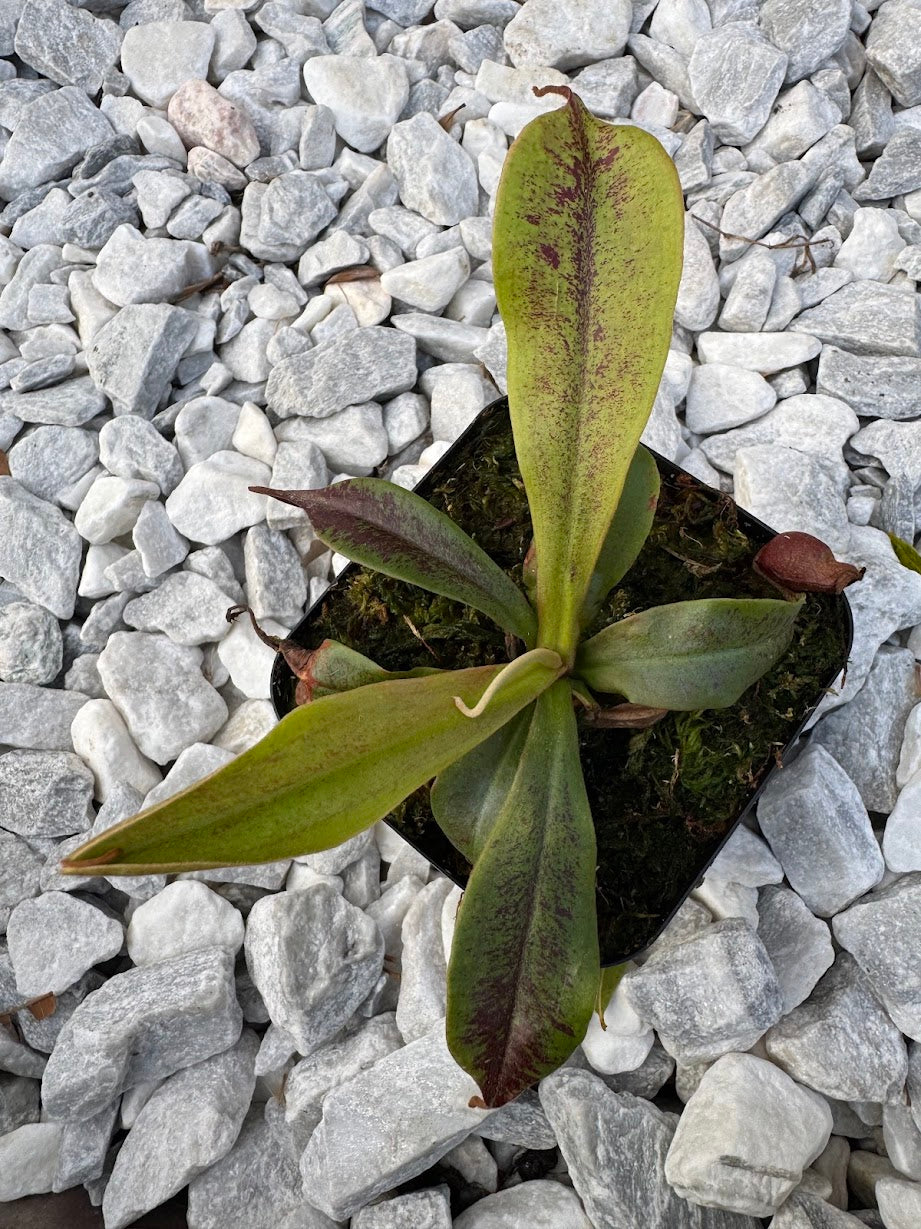
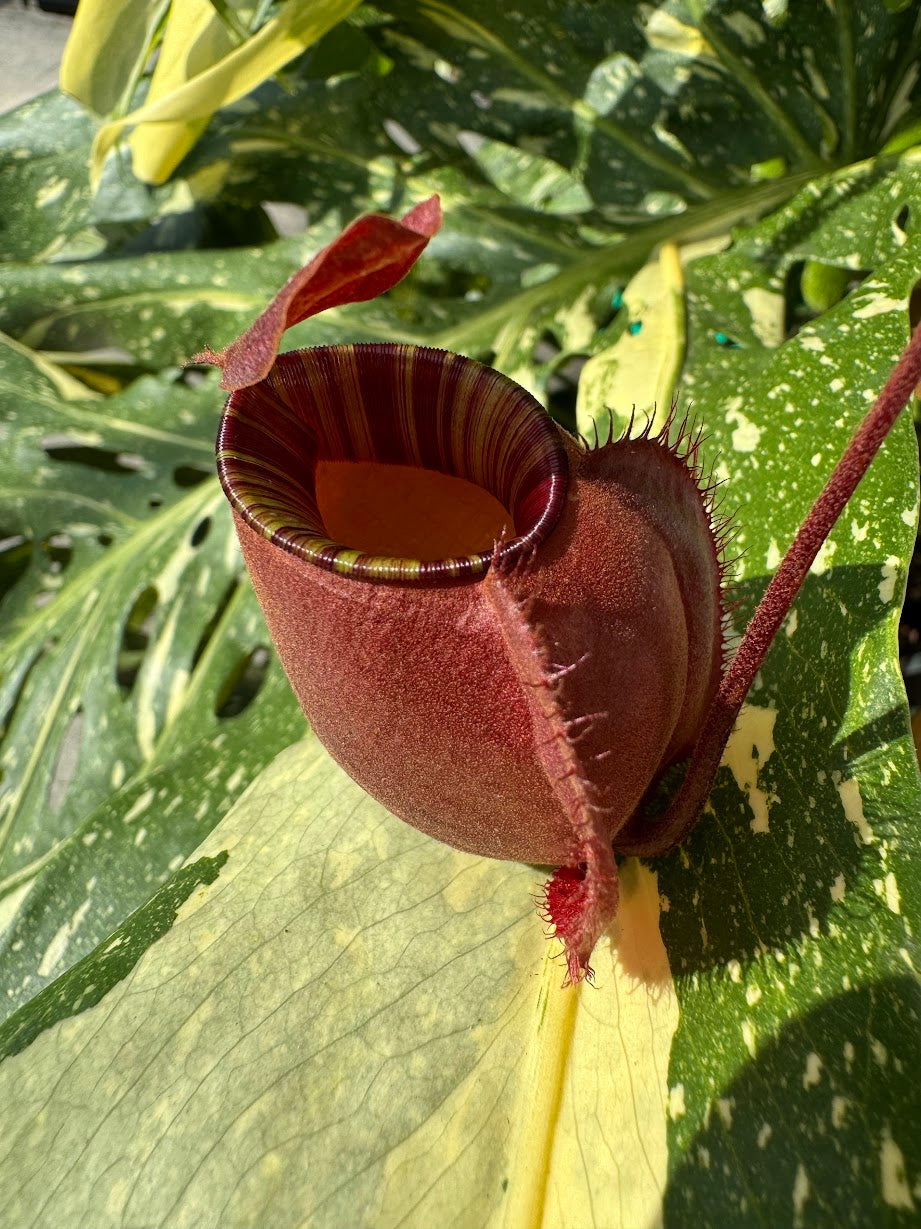
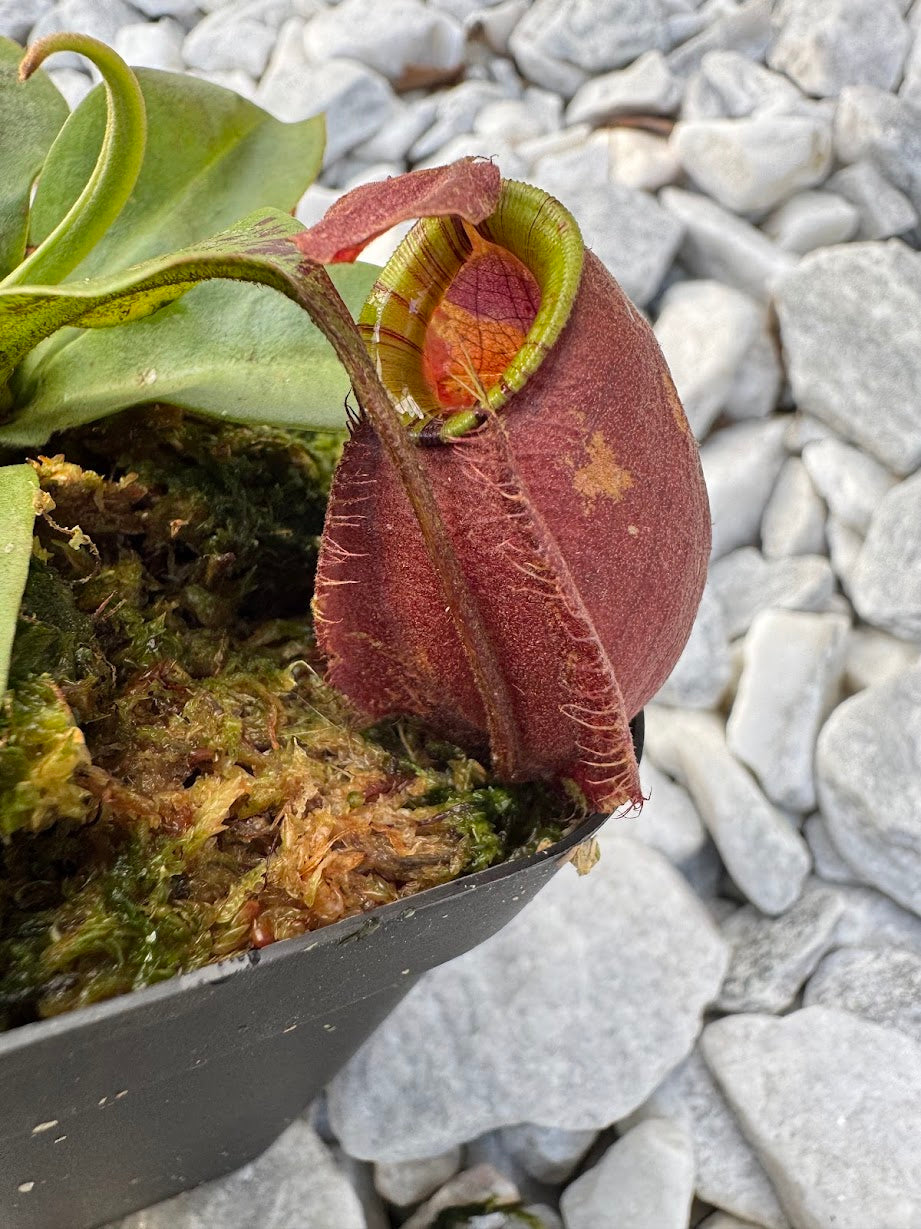
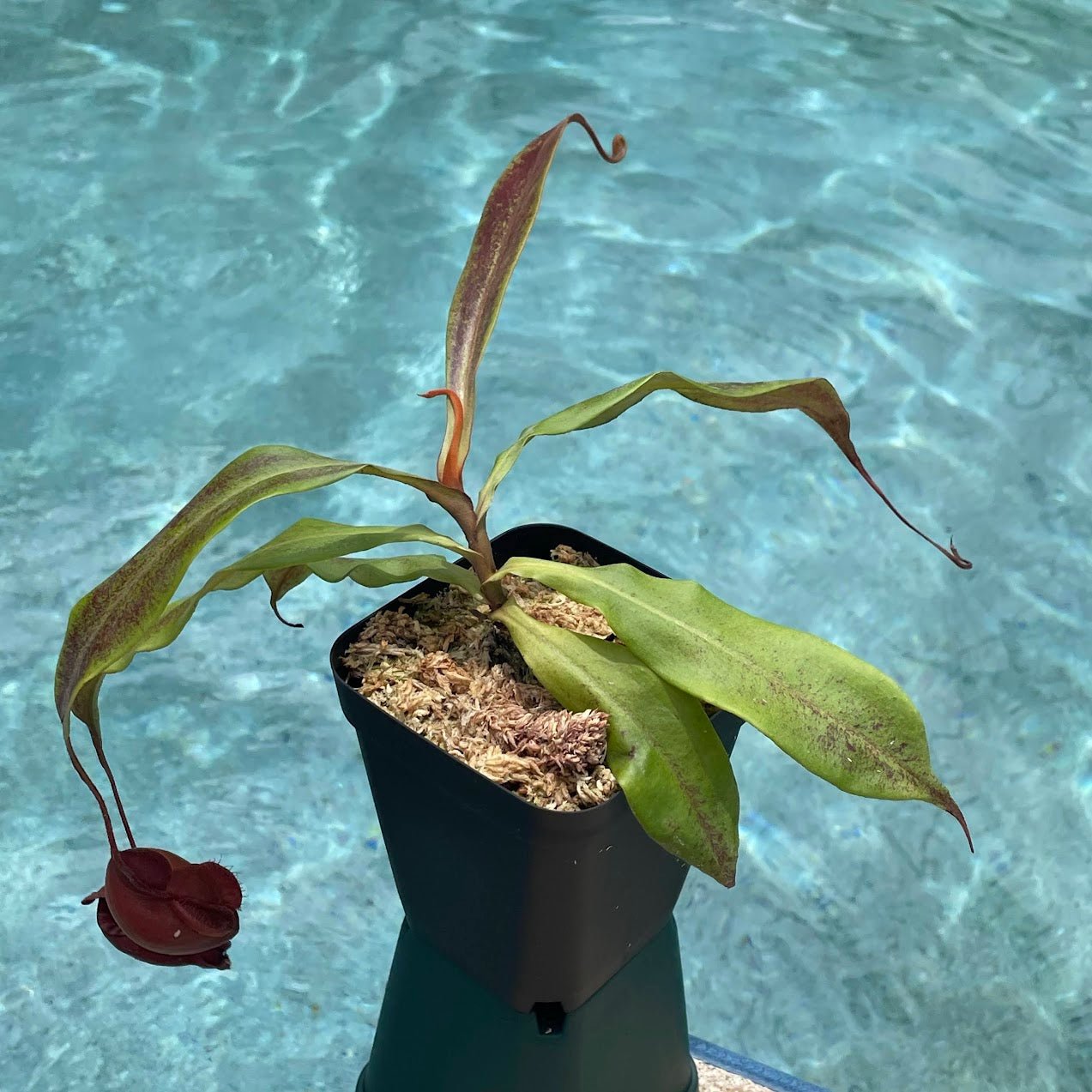
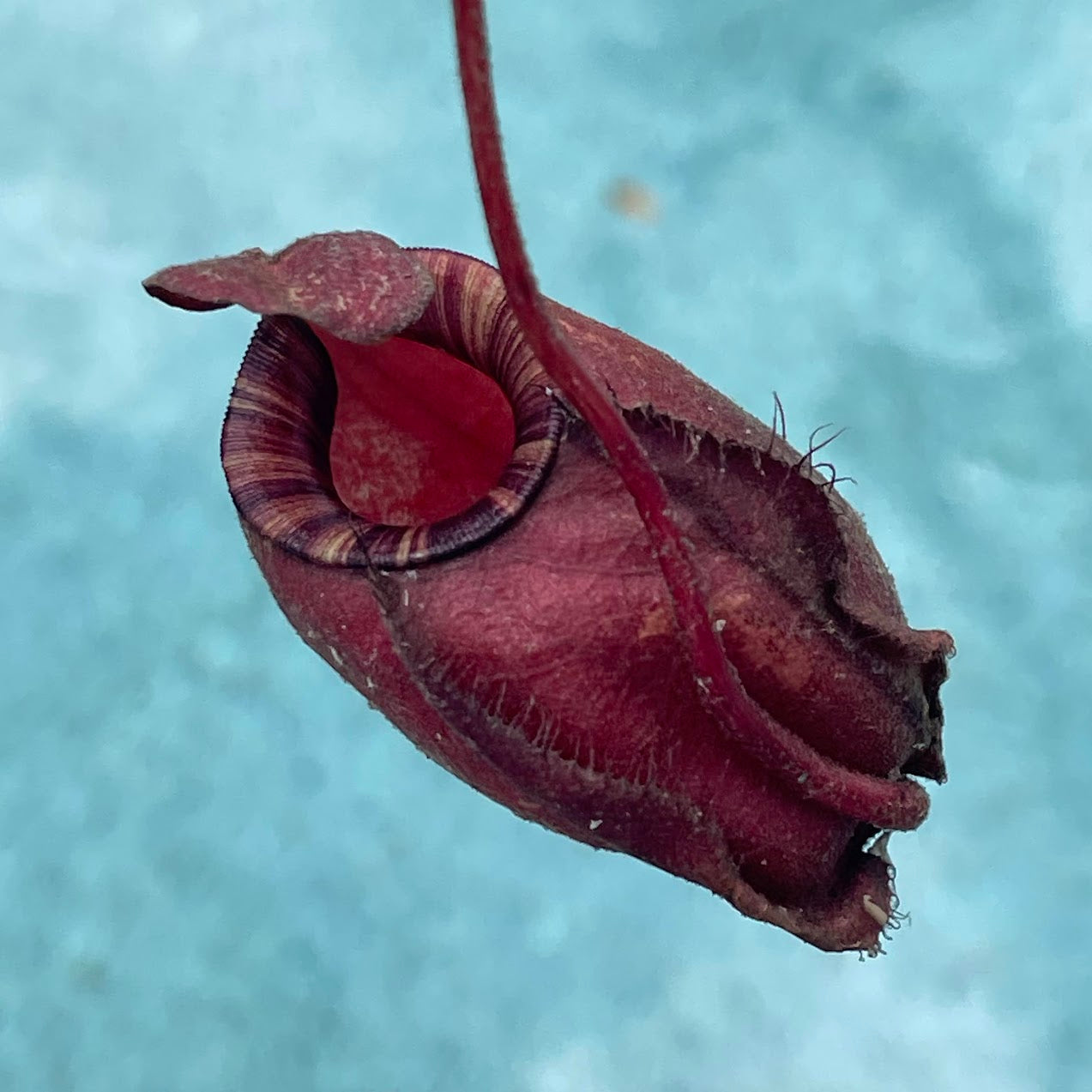
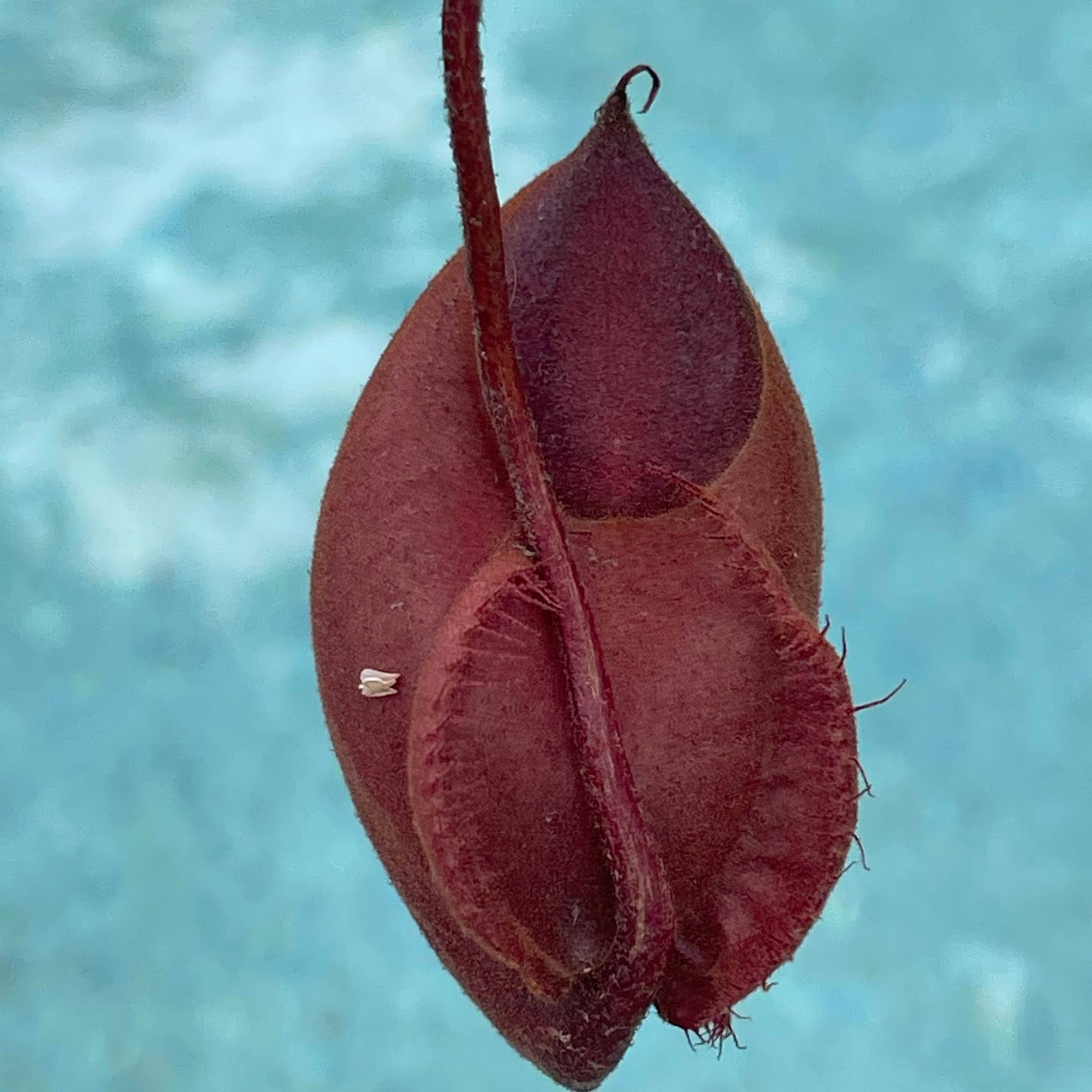
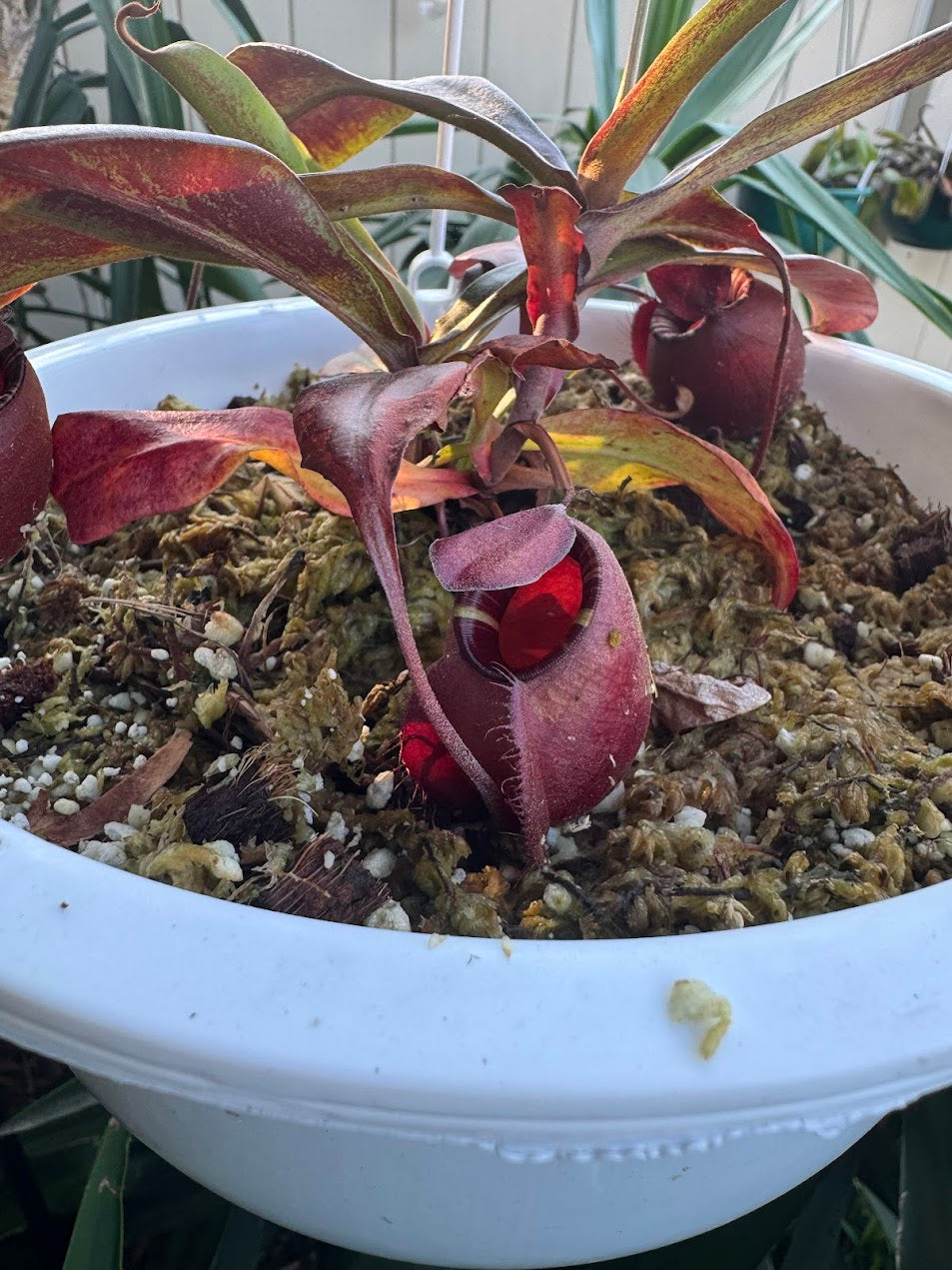
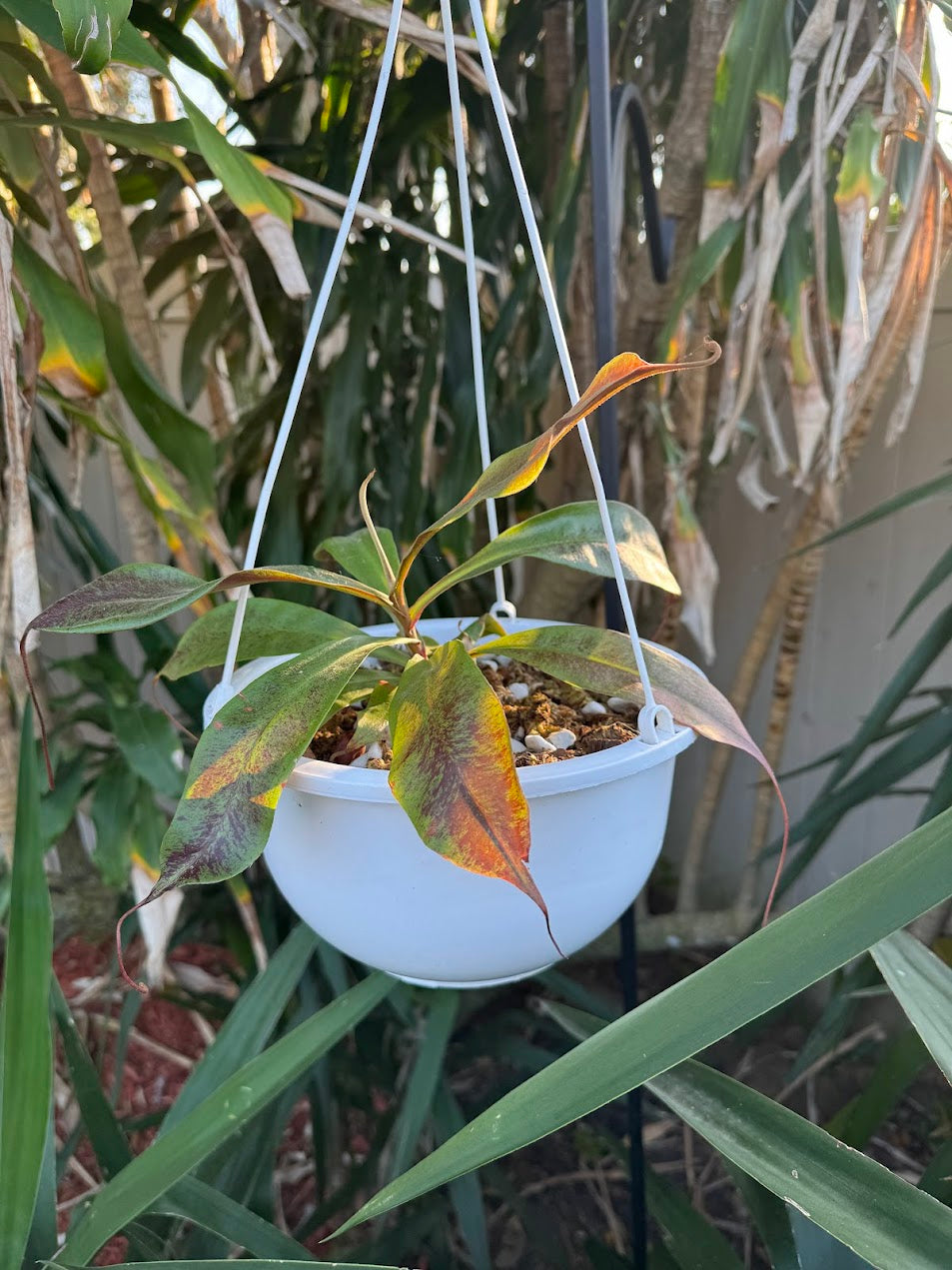
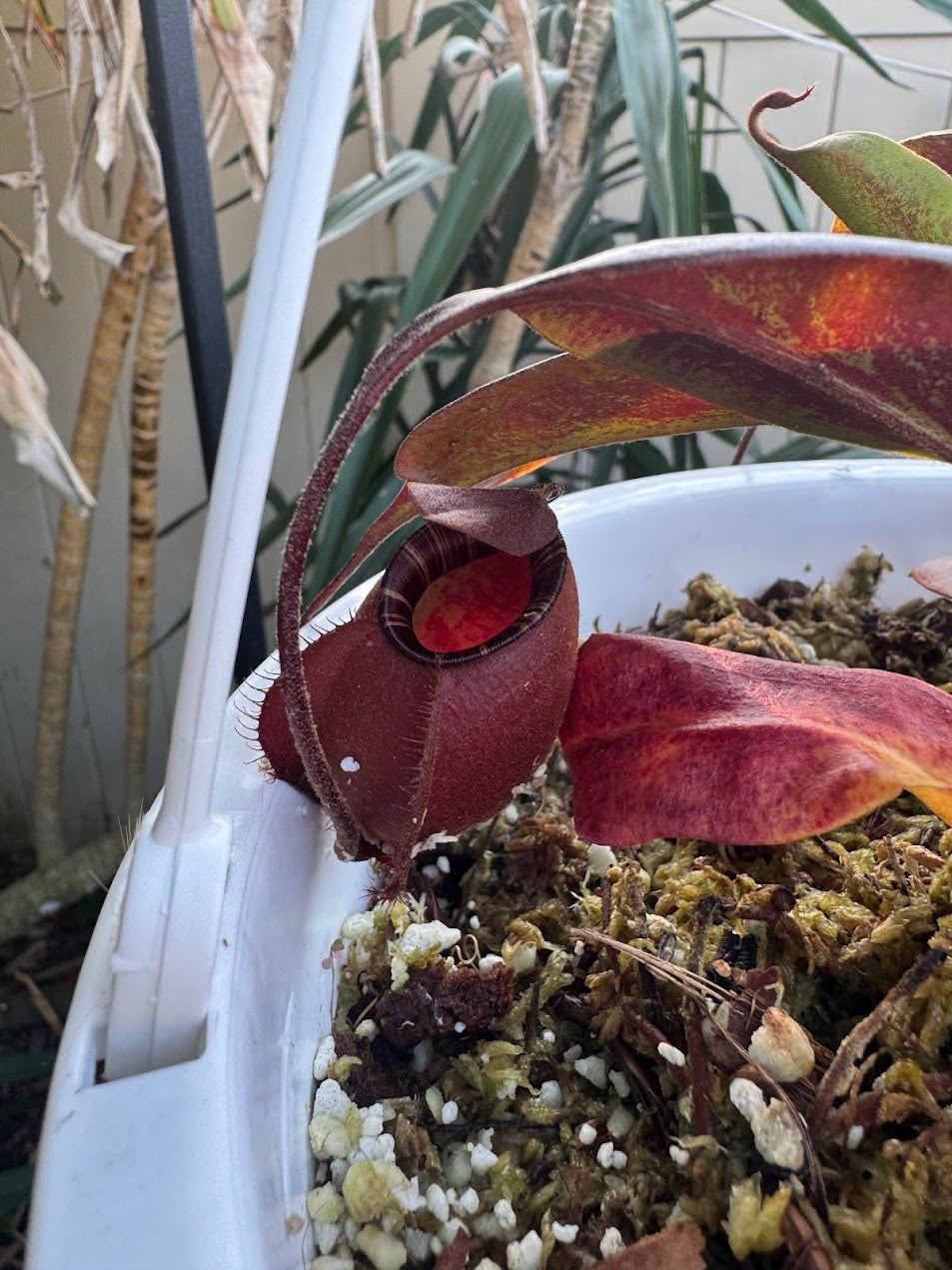
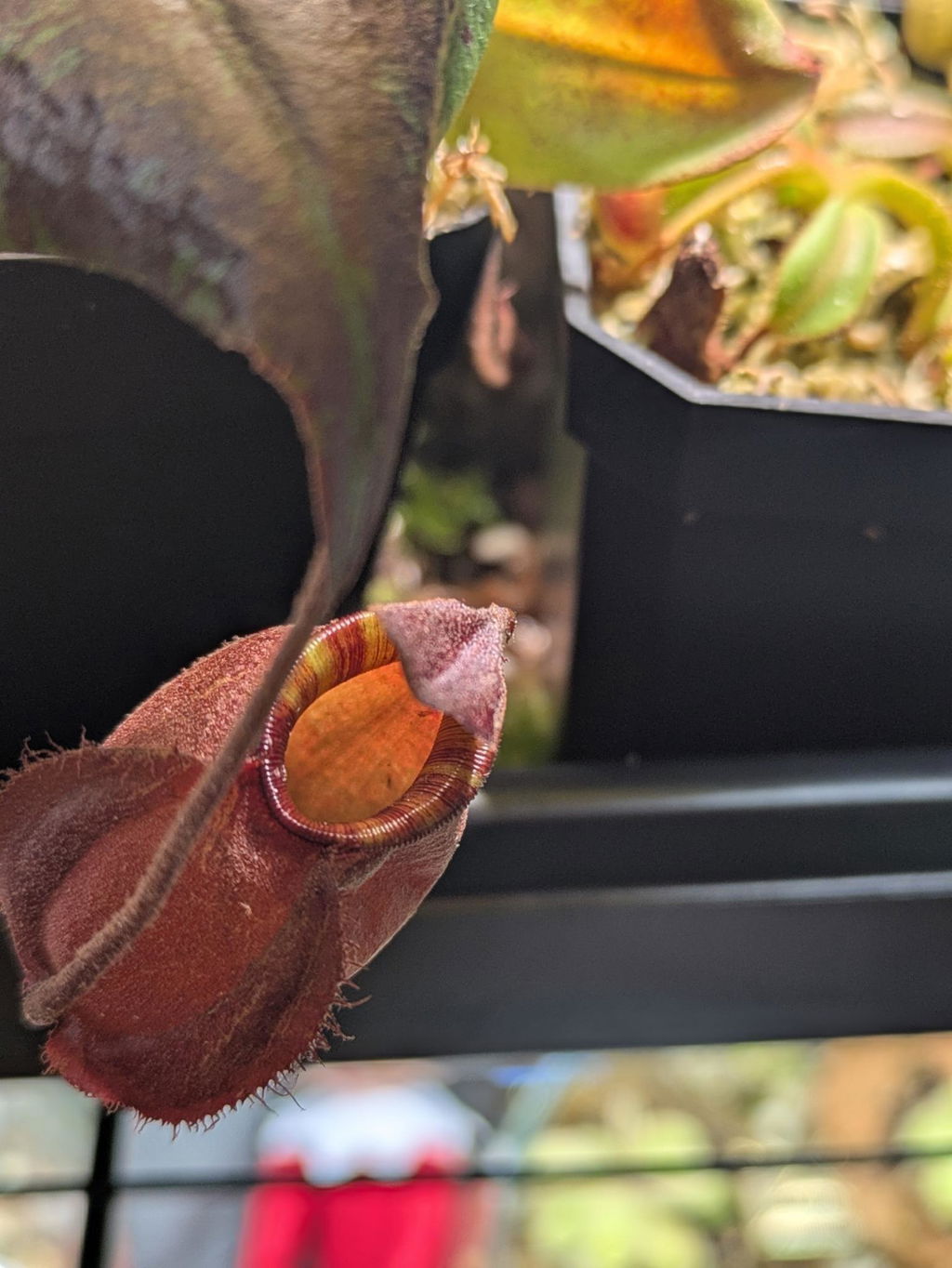
Nepenthes mirabilis var. globosa x Ampullaria 'Black Miracle' is one of our all time favorite pitcher plants in our line-up. It's an easy growing lowlander that can handle a variety of conditions from lowland to highland. The leaves offer a beautiful speckling that is specific to the Ampullaria 'Black Miracle' parentage in this plant. The pitchers on this plant are a consistent jaw-dropper with their striping and mesmerizing colors.
Whether you're just starting your carnivorous plant journey, or you're looking for a true beauty for your collection, look no further! These come pre-potted with sphagnum moss in a a 3.5" pot or in an 8" hanging basket pre-potted with sphagnum moss, coco coir, and large perlite.
Note: This used to be sold by us under the name Nepenthes Ventricosa x Ampullaria 'Black Miracle', but after some discussion with our wholesaler, they have since informed us of the error.
Share
Care Instructions
Light
Part sun or shaded sun (pool screens are great). Avoid afternoon sunlight to prevent sunburn. Can also sit on a sunny windowsill inside.
Water
- Water as planting material starts to dry out on top. Nepenthes should be kept moist, but not wet.
- Only use distilled, rain, or reverse osmosis water. Do not use purified water. Any water with > 50 PPM TDS will kill your plant over time. Filtered water is often not filtered enough for these plants.
Temperature
Our plants are generally lowland or intermediate. We recommend a 5-10F drop in temperatures minimum nightly. Plants should not be left outside in temperatures under 55F. Humidity should be 50%+.
Fertilizer
Fertilize in the evening every two weeks with a ¼ teaspoon of MaxSea 16-16-16 mixed with 1-gallon of water. Spray the leaves. You can also put Osmocote pellets (14-14-14) inside of a pitcher after it opens to provide food if kept indoors. If outdoors, they will get food naturally, though spraying with fertilizer will often help.
Love it
These Nepanthes are in better shape after shipping than any I have ever purchased from anyone. Packaging was the best I have ever seen. You guys are THE best !
Plant arrived in good condition with clear instructions.
I ordered the Large and it was quite large. The leaf span was close to 12" if not more. The packaging was great and the pitchers survived the holiday shipping.
The plant appears to be very nice and healthy.
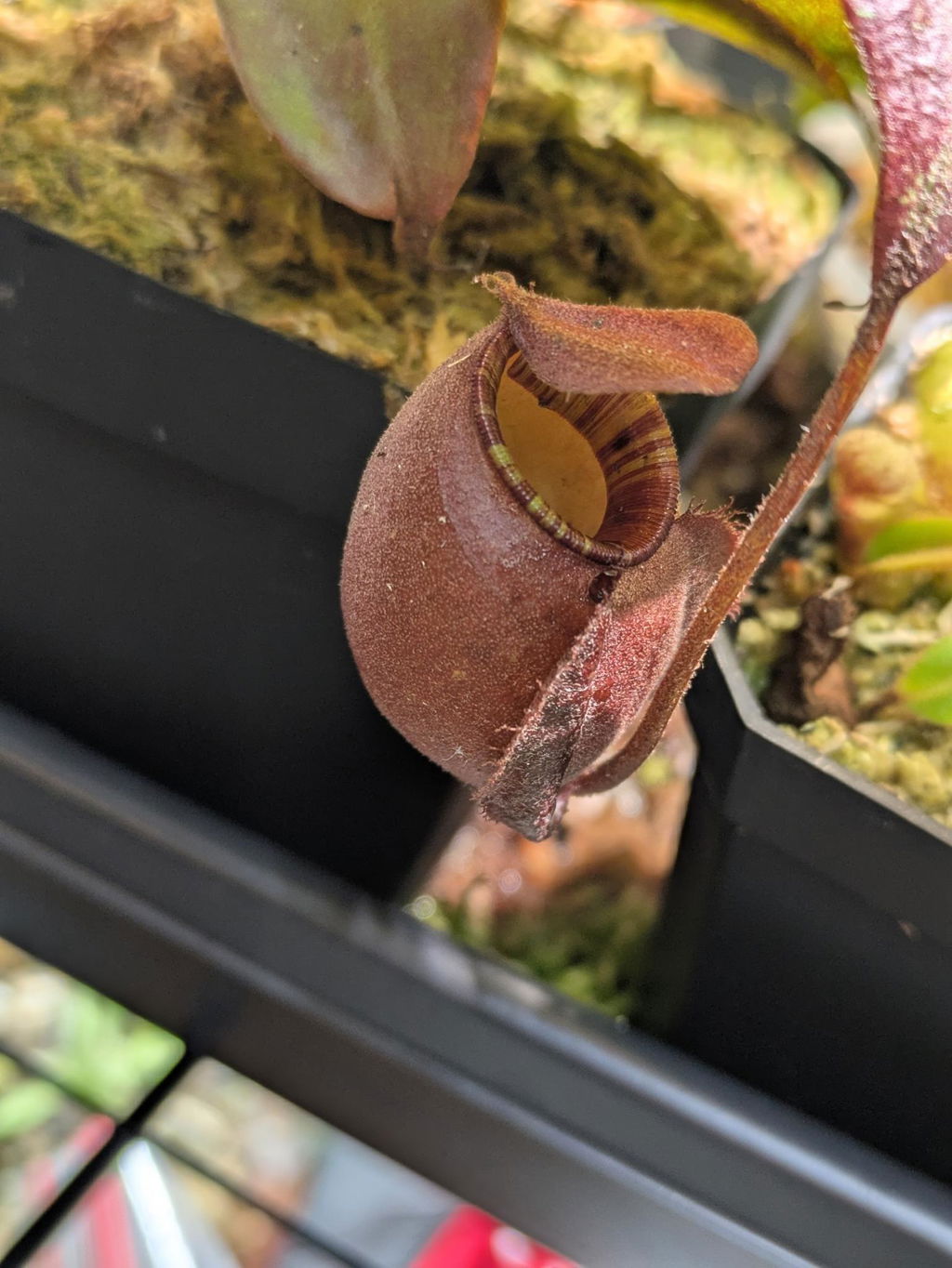
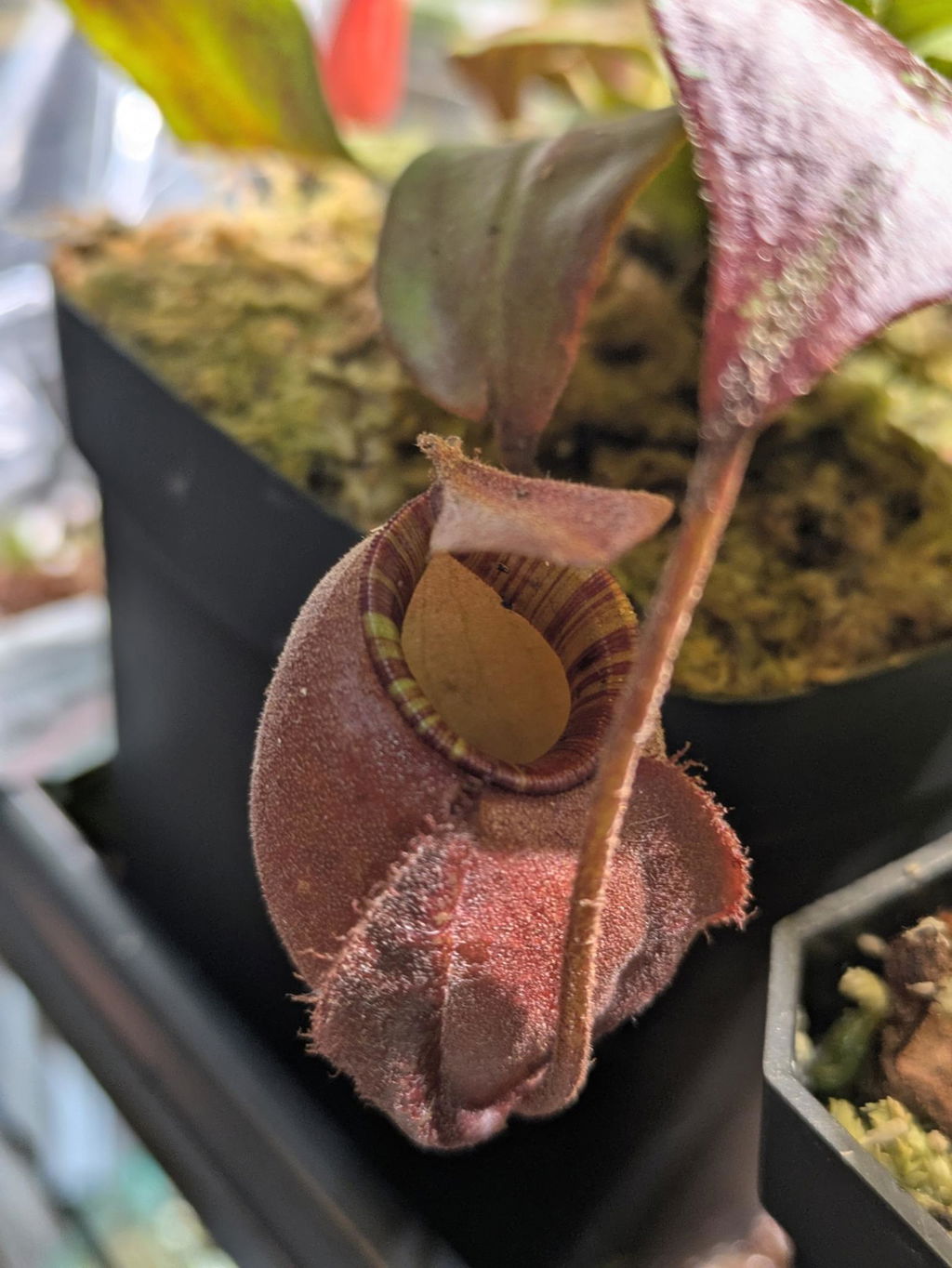
This plant arrived in great shape, the packing was superb.