

Venus Flytrap (Dionaea Muscipula) 'Chinese Dumpling' in a 3.5" pot
Venus Flytrap (Dionaea Muscipula) 'Chinese Dumpling' in a 3.5" pot
Couldn't load pickup availability
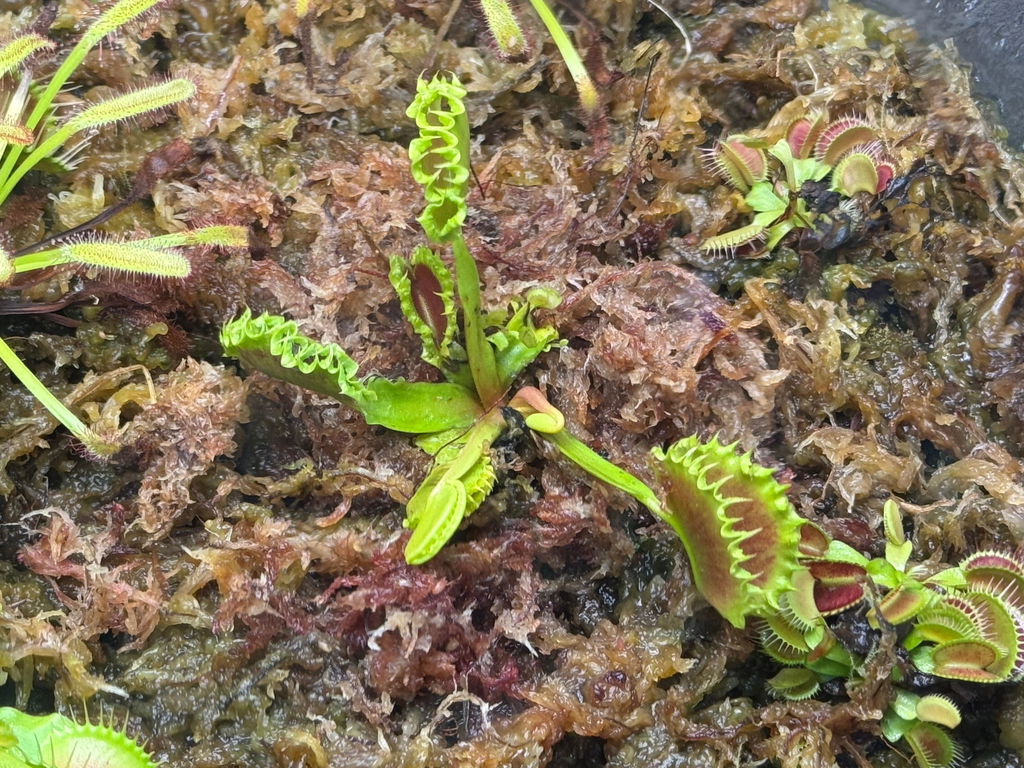
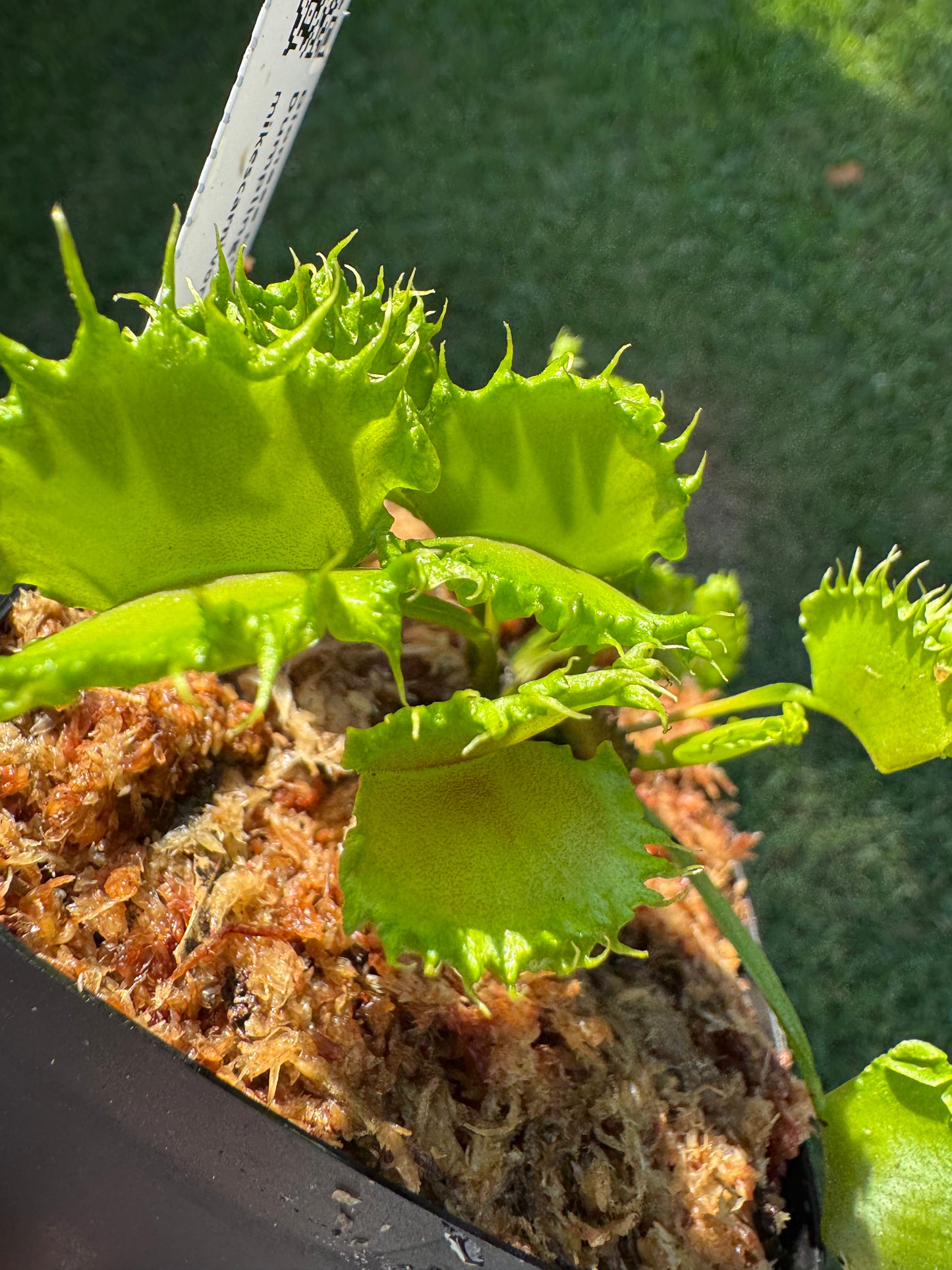
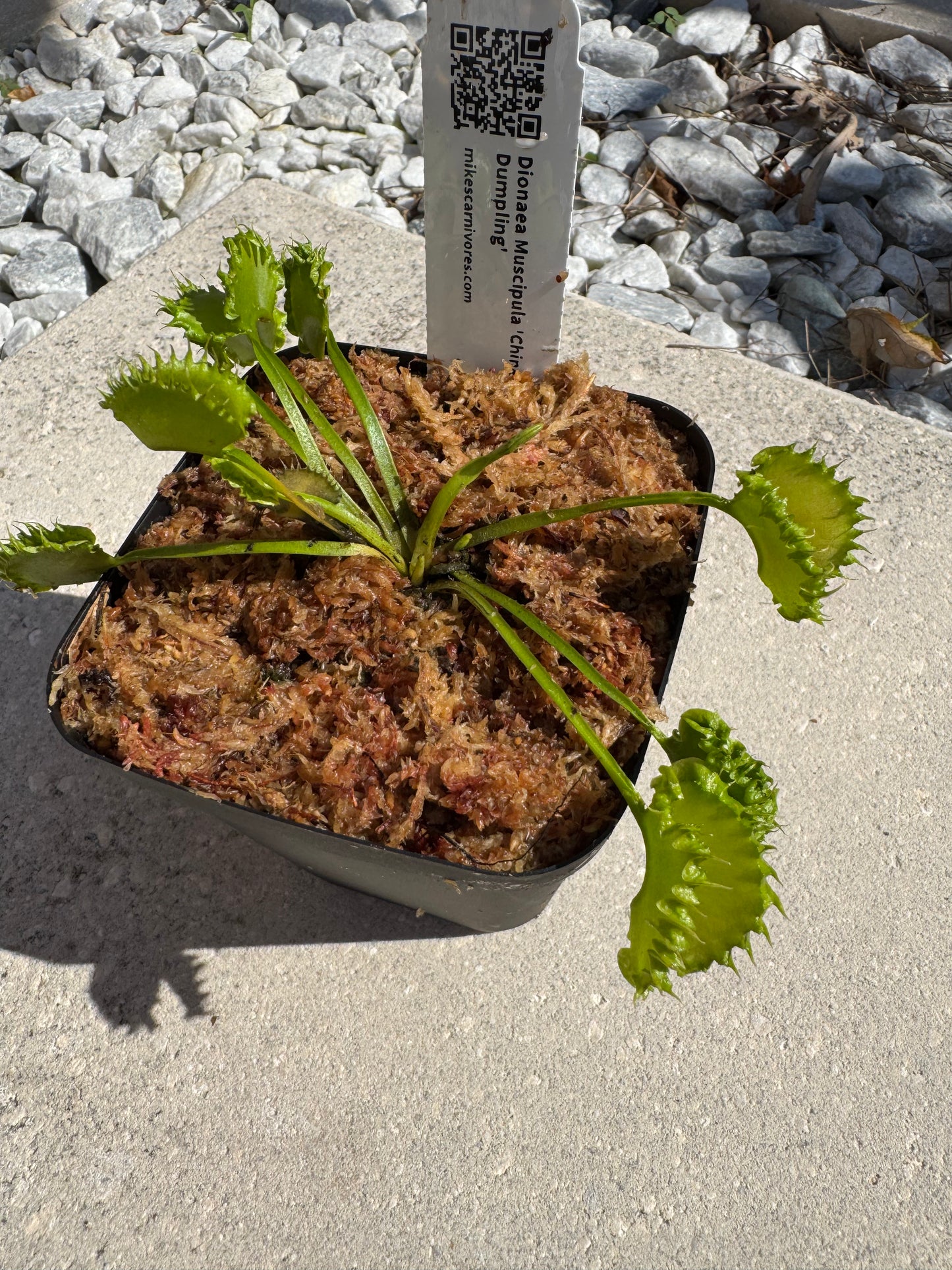
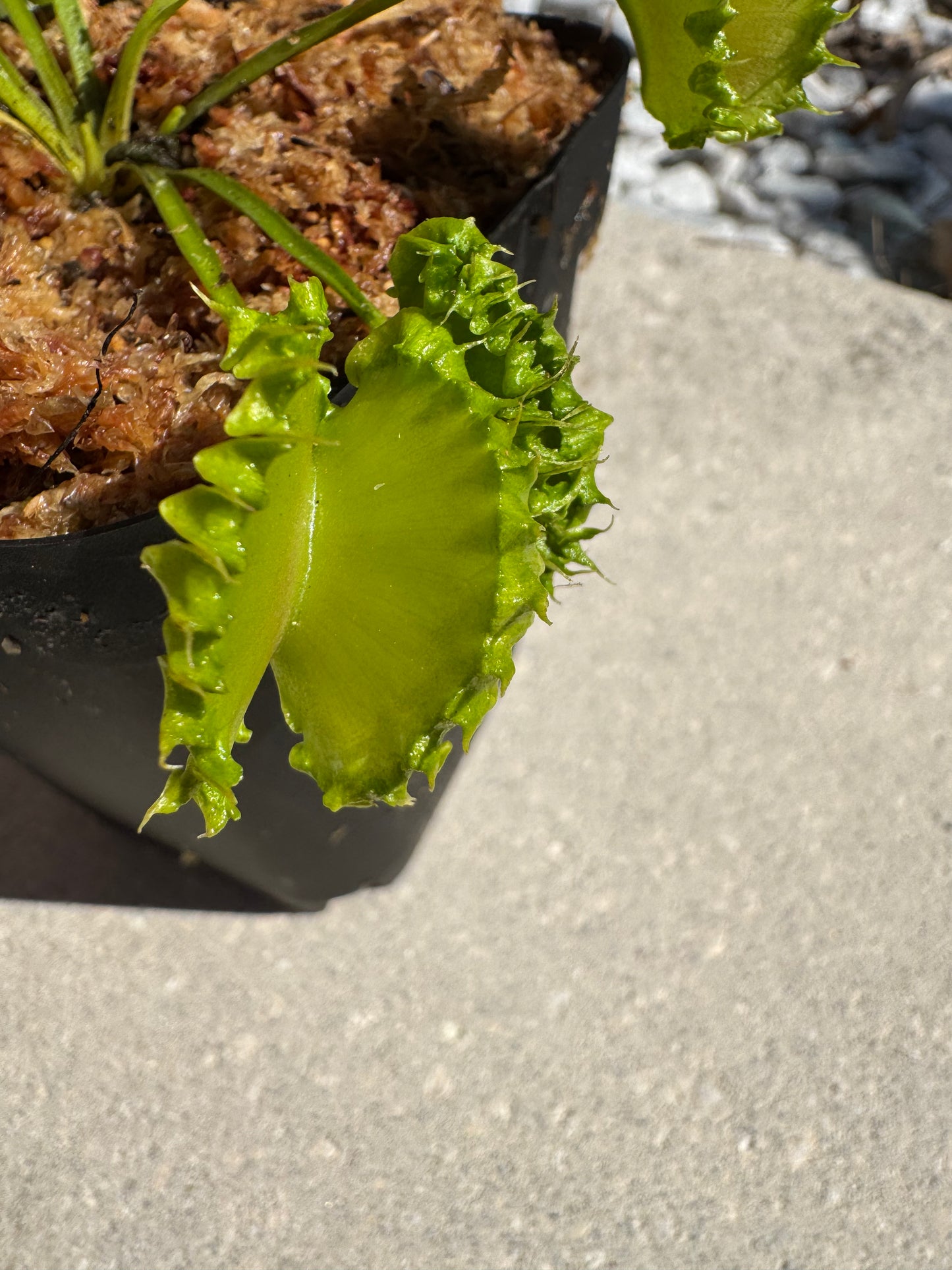
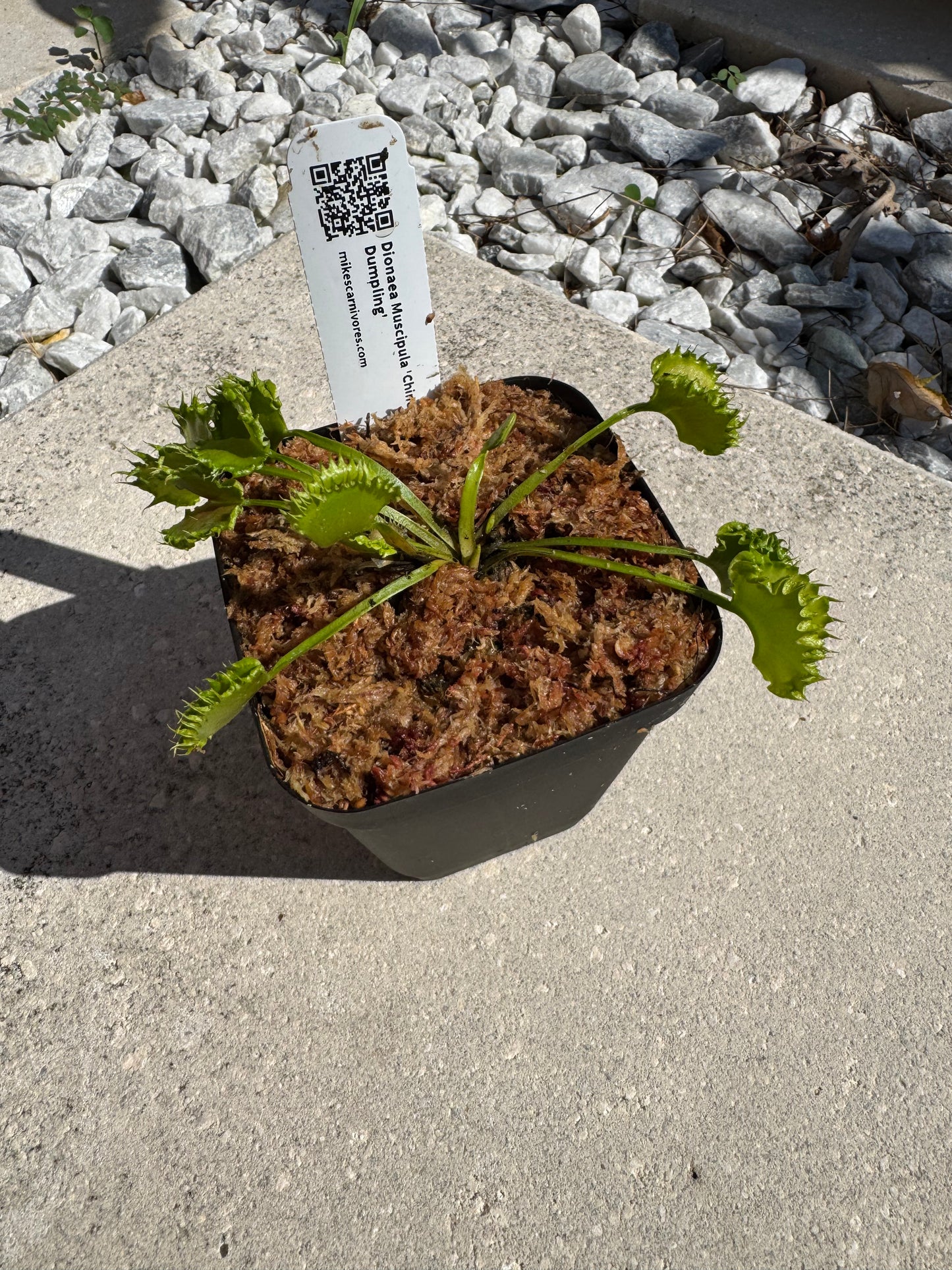
Dionaea Muscipula 'Chinese Dumpling' is a highly sought-after Venus flytrap cultivar known for its unique and fascinating traps. This cultivar gets its name from the distinctive shape of its traps, which are short, rounded, and resemble a dumpling. The traps are a vibrant green on the outside, and the interior can develop a beautiful reddish blush when exposed to strong sunlight. This compact and slow-growing plant is a true conversation starter and a favorite among collectors who appreciate its quirky and charming appearance. It's a great choice for adding a touch of whimsy to any carnivorous plant collection.
These come pre-potted in sphagnum moss in a 3.5" pot
Share
Care Instructions
Light
Venus Flytraps love full sun and will generally not do well long-term indoors without an additional grow light. At minimum we recommend 6 hours of sunlight a day. To grow indoors we highly recommend this guide.
Water
- Must be constantly wet (sitting in a tray of water – 1-inch or so is good).
- Only use distilled, rain, or reverse osmosis water. Do not use purified water. Any water with > 50 PPM TDS will kill your plant over time. Filtered water is often not filtered enough for these plants.
Temperature
These plants do very well outdoors with warmer weather and are native to the Carolina’s. They also will enter a dormancy period where much of the plant will die back or slow in growth in the winter. These can stay outside during a freeze or cold weather. Humidity should be 50%+.
Fertilizer
Fertilizer isn't required, but can help with growth and developing larger traps. Fertilize in the evening every 2 weeks with ¼ teaspoon of MaxSea 16-16-16 mixed with 1-gallon of water. Spray the leaves. As for food, they get their food from live food sources and need movement or stimulation in each of the traps to actually begin the process of digestion. You can feed live bugs, but generally they will catch what they attract.
I recived it in healthy condition but their was a minor spider mite problem
Excelente packing! Plant is in great health, I love my new toothy trap!
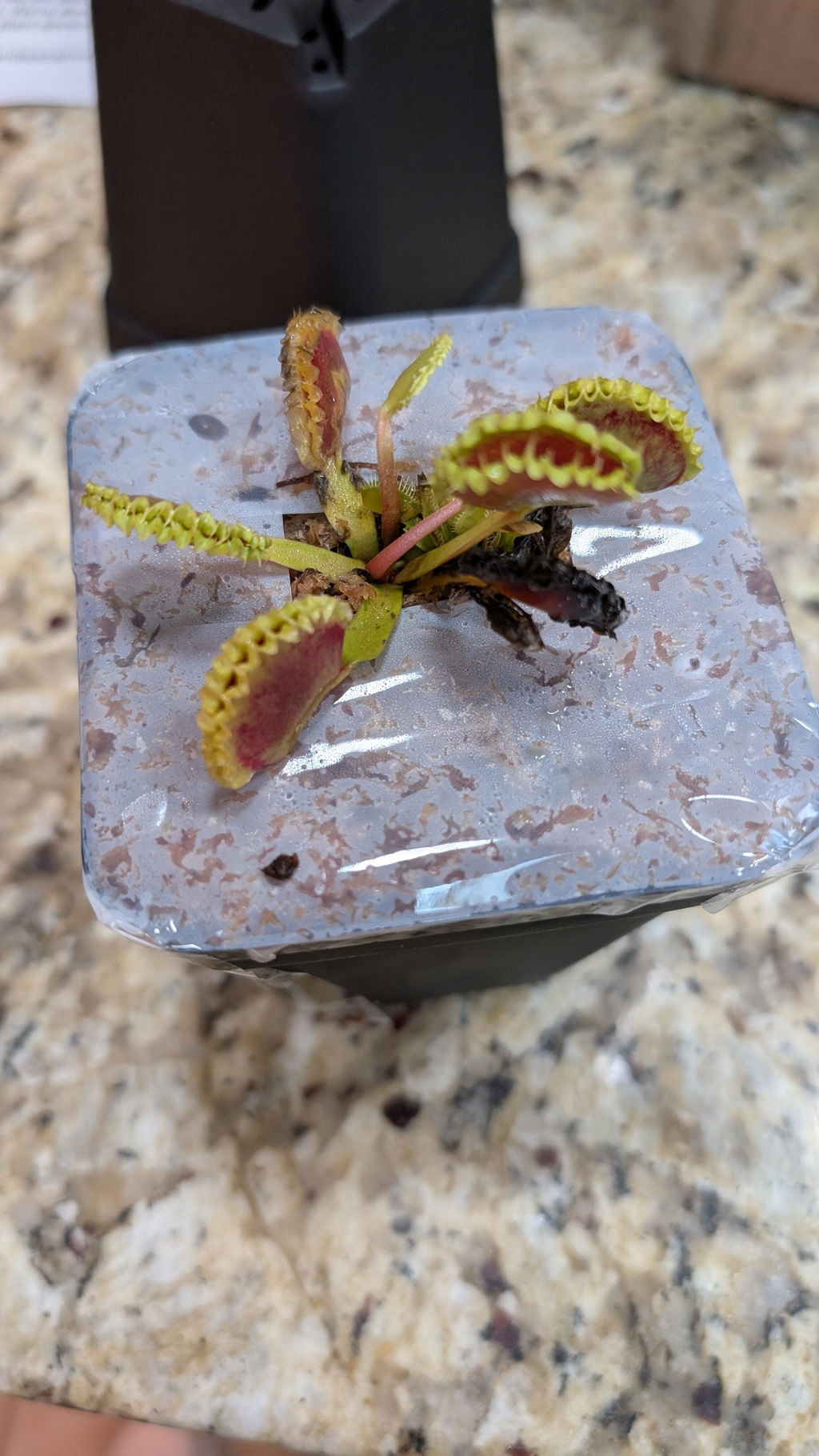
Arrived alive and happy just not sure if its actually able to catch flys unfortunately
Cameperfectly looked as pictured fast shipping trusted seller would buy again
Plant was large, healthy and well packaged. I’m looking forward to other cultivars to be back in stock. I will definitely be back.